
Every question deserves the evidence.
Asha was built by physicians for the hours when the clinic is closed. Ask in your own words, in your own language. She reads the research first, cites every answer, and when it is serious, she says so.
Five questions, no account. · Built by physicians · Cited on every answer
Every Question (1:14). The people in this film were created with AI; the Asha screens are real. In the United States, in crisis, call or text 988. In India, emergency 112; Tele-MANAS 14416.
Why physicians built Asha
We saw the same problem from both sides of the exam room.
The average primary care visit in the United States lasts about eighteen minutes. In India, the average consultation is about two minutes. The questions do not stop when the visit does. They arrive at 2 a.m., in the family group chat, on the slip you cannot read, in the week before a fast.
People take those questions to a general AI that was built to answer everything. It sounds certain. It shows no source you can check. It owes you nothing.
That conviction became an architecture. Asha retrieves from more than 121 million medical sources before she answers, attaches the citations, runs every reply through safety gates and a mandatory check-in, and keeps a tamper-evident, time-stamped record of what she said. The architecture is the subject of US Patent 12,555,008.
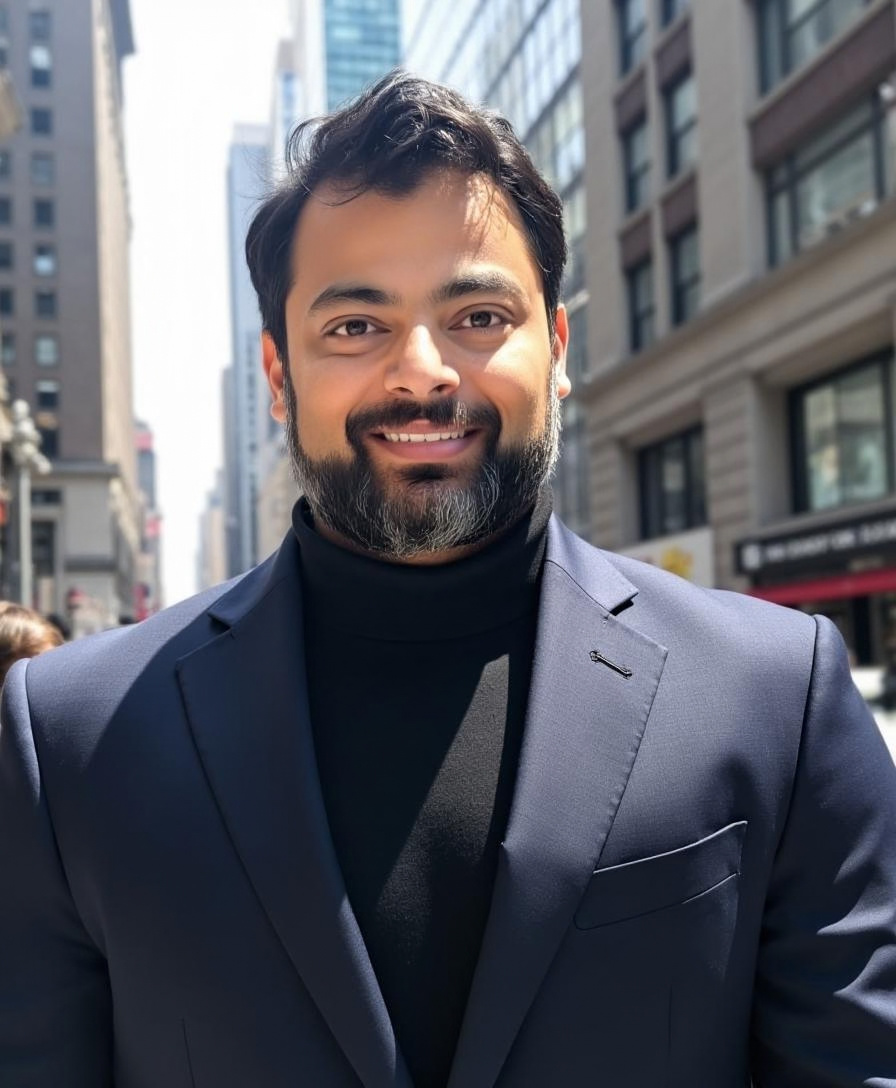
Deepan Singh, MD, FAPA
Co-Founder and CEO
Double board-certified psychiatrist in child, adolescent and adult care. Formerly Vice Chair of Ambulatory Psychiatry and Chief of Research and Grants at Maimonides Medical Center, Brooklyn. Cambridge University Press author and international expert in Prader-Willi syndrome. Sole inventor on US Patent 12,555,008; designed the cognitive architecture behind Asha.
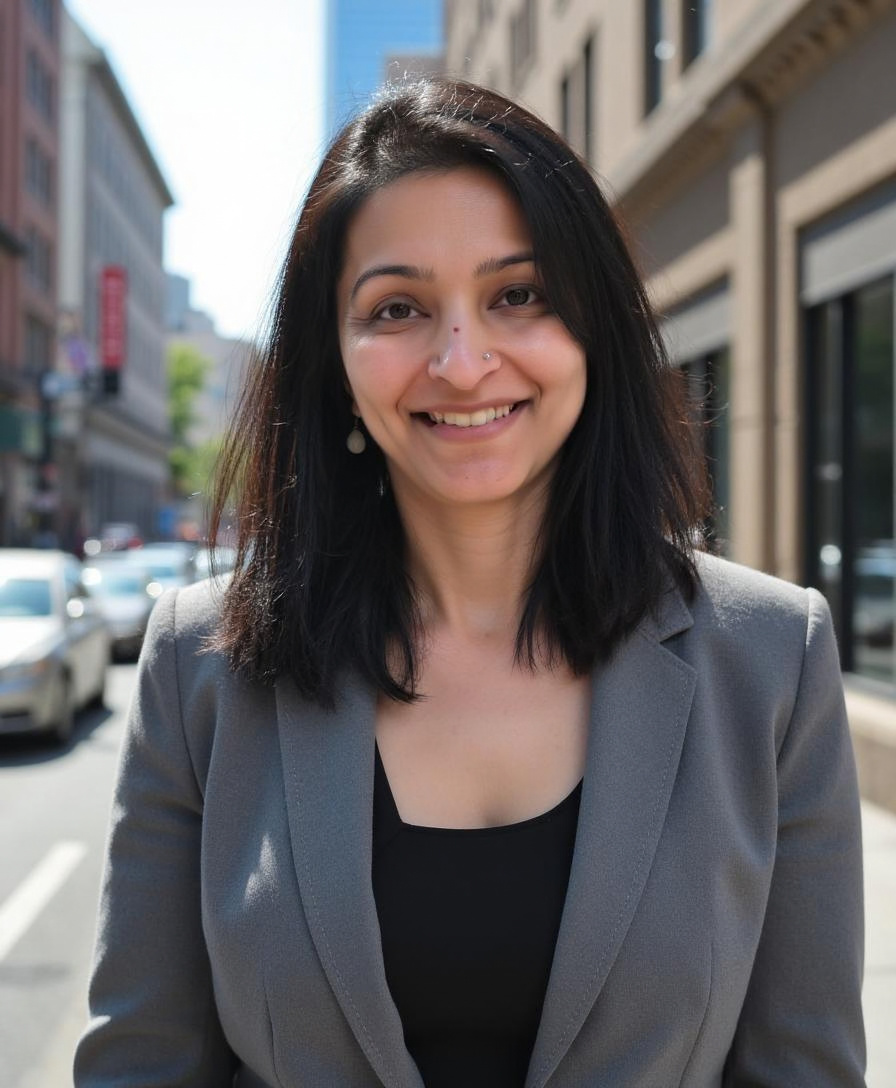
Paridhi Anand, MD
Co-Founder, Chief Product Officer and Chair of the Board
Double board-certified pediatrician in behavioral health, collaborative care and obesity medicine. Led the Epic electronic-health-record deployment for pediatrics at Brooklyn’s busiest public pediatric clinic. Architect of the Asha EHR used in the founders’ own practice; built the Asha front end.
What Asha does
Two films, one product. The screens in both are real.
Asha in the United States (1:14). The 18-minute visit figure is from Neprash et al., Medical Care, 2021, 21 million visits.
Asha for India (1:14). The two-minute consultation figure is from Irving et al., BMJ Open, 2017, a 67-country review.
Ask in your own words.
Or your own language: Hindi, Bengali, Tamil, Kannada, Malayalam, Spanish, English and more. Plain answers, at any hour.
She reads the research first.
121M+ medical sources, from the peer-reviewed literature to the drug labels. Cited on every answer, so you can check it yourself.
When it is serious, she says so.
Safety gates and a mandatory check-in on every reply. If it needs a hospital tonight, she says so, and tells you how to reach help.
A fiduciary to you.
No ads. Your data stays yours and is never sold. Every answer is tamper-evident and time-stamped.
Tested in public
Every run is published with its date, its harness and its grader. Read the full register at dnai.systems/benchmarks.
How to read these numbers, in plain language: Tested in public.
For clinicians
The same engine your patients will ask between visits, in clinician mode: dosed from the label, interactions cited, guidelines numbered to their sources.
Asha for clinicians (1:34). Benchmark transcripts in the film are rendered in a chat layout and labelled; the Asha screens are real. Research preview by invitation from 1 October.
From the blog
Real questions, real screens, and the evidence behind each film.

Cherish it. Safely.
Fasting with diabetes, in pregnancy, on blood-pressure pills, or at 78. Four real questions, asked before the fast.
Same question. Two answers.
Three HealthBench Hard prompts, a general AI’s answer beside Asha’s, with the rubric penalties.

Twelve guided sessions, and the evidence behind them
Breath, body scan, progressive muscle relaxation and yoga nidra, in English and Hindi.